TasTAFE-trained guides are in demand across Tasmania’s booming tour guide industry
Published on: 04 Feb 2026
TasTAFE Certificate III in Guiding learners getting to know Tasmania's alpine environment.
From Cradle Mountain to the high clifftops of Tasman National Park, Tasmania is home to some of the world’s most beautiful and unique landscapes. The state’s tour guide industry is booming, taking visitors into these landscapes on multiday adventures, and helping them interpret our cities, history and culture on shorter experiences – with TasTAFE-trained guides leading the way.
TasTAFE’s Certificate III in Guiding course has 2 distinct areas of focus: upskilling learners to become either a tour guide, focusing on day tours and local tourism encounters; or a bushwalking tour guide, venturing into the wilderness on overnight hikes.
Both programs give learners the practical skills to keep visitors safe, and the ‘human’ skills to ensure their experience is informative, engaging and culturally sensitive, positioning Tasmania in best the possible light.
TasTAFE Guiding teacher Paul Cooper delivers the tour guide program at Paterson Street Campus in Launceston – working alongside colleagues Bruce Morley and Alex Hale in Hobart, who focus on the bushwalking tour guide course.
Paul grew up in St Marys on Tasmania’s east coast and has always had a passion for wild places. Prior to starting with TasTAFE 21 years ago, he was a manager at Port Arthur Historic Site and ran a visitor centre in Launceston – a terrific grounding in customer service and working with people from diverse cultural backgrounds.
“I’ve always loved being outside,” Paul said. “And one of the most rewarding things for me as teacher is getting our learners to ‘see’ Tasmania, not just look at it. I say to them, ‘I want you to really appreciate this place – I want you to smell it and taste it and fall in love with it.’ Then when they have that ‘lights on’ moment – seeing birds and plants and fungi that they’ve never noticed before – it’s a great outcome.
“But the real beauty of this course is that when our learners leave, they're literally industry-ready,” Paul continued. “They're walking straight into a job that they can do. Sure, they're going to hone their skills in certain areas – but they’re passionate about Tasmania, they can manage people, they know about risk, they have compassion and empathy, they can interpret our environments, and they can communicate really well with people from Australia and overseas. All of which is pivotal in becoming a great guide.”
Paul has also embraced a flexible teaching model, adapting the Certificate III content and delivery for specific learners who are already working in the industry – TasTAFE Guiding graduate Ian Allan from King Island Walks is a prime example – further supporting Tasmania’s burgeoning guiding industry.
“I think guiding is on the cusp of exploding here,” Paul said. “People are waking up to what Tasmania has to offer: we have such beautiful forests, stunning food and beautiful wines. And the guiding industry is sharing that with visitors.”
Ben Brown is General Manager of Wild Bush Luxury, operators of the Maria Island Walk on Tasmania’s east coast. He agrees that the state’s guiding industry is in great shape.
“Tasmania has really been at the forefront of guided multiday walking in Australia for the last 30 years,” Ben said, “– we’ve probably overtaken New Zealand in that market. But there are opportunities here for guides at all levels: there's a number of companies that offer everything from daytrips to multiday expeditions.”
With 25 years in tourism, including many working as a bushwalking guide himself, Ben can clearly see the benefits of TasTAFE training.
“The guides that come through TasTAFE are so well-rounded, with a really great base level of knowledge in how to interpret the environment, the flora, the fauna, human history, convict history, Aboriginal history… And when we tie that in with our own on-ground training – cooking things like saffron scallop risotto from scratch and facilitating dinner conversation with guests from varied backgrounds – they can really hit the ground running,” Ben said.
“The TasTAFE Guiding program just does it so well, working closely with industry so they know exactly what we do, and exactly the kind of guides that we're after.
“We would get 85 or 90% of our guides directly through TasTAFE. It really should be held up as a perfect example of training and industry working closely to create employment opportunities and really positive results.
“I also think that the guides who come through the TasTAFE pathway and then work in Tassie are highly sought-after on the mainland – not just for the guiding skillset, but also the work ethic that I think is quite unique to Tasmania,” Ben said.
Paul Cooper agrees that the job opportunities awaiting TasTAFE Guiding graduates are many.
“Ideally we want our graduates to stay and work in Tasmania, but we have learners who walk out of our course and go straight onto the Larapinta Trail in the Northern Territory. Or they'll go and work at Mt Buller as a ski guide, or Canada or Switzerland. There are opportunities for our guides to work anywhere around the world – it’s a wonderful profession.”
Read more about the Certificate III in Guiding at TasTAFE, available through Fee-Free TAFE.
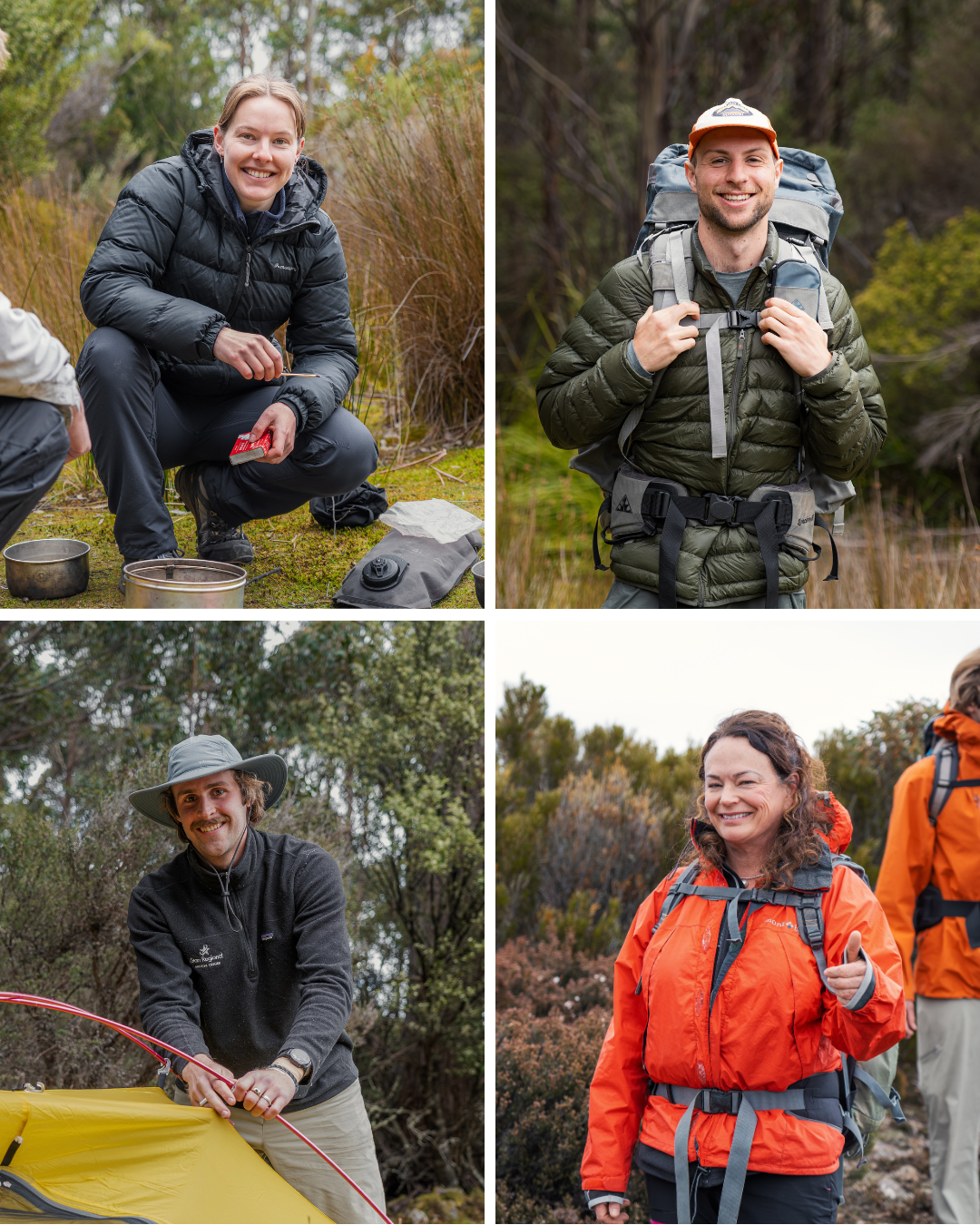
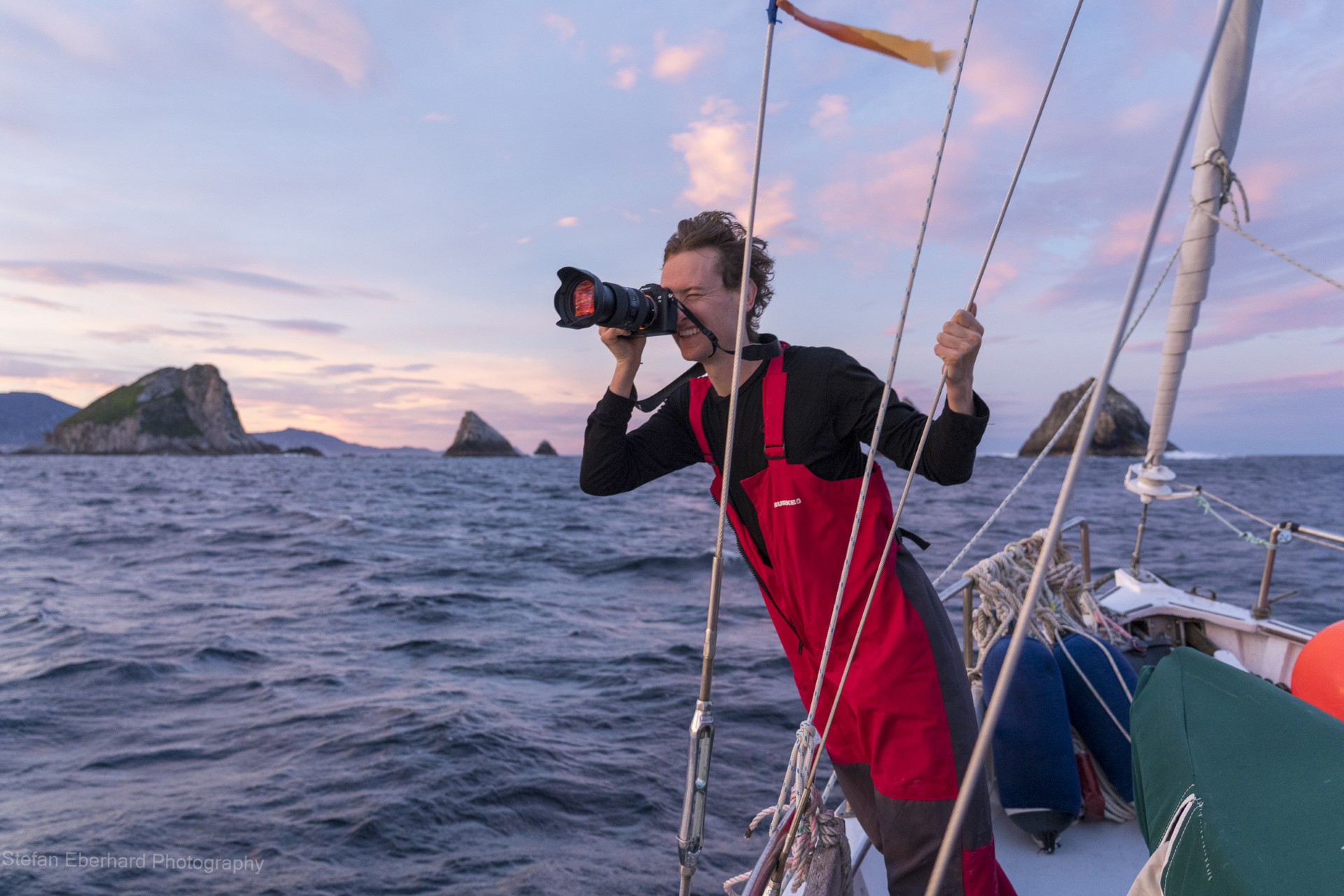
Scenes from the TasTAFE Certificate III in Guiding program in action.